

How to choose between Off-Grid and Grid-Tied Inverters?
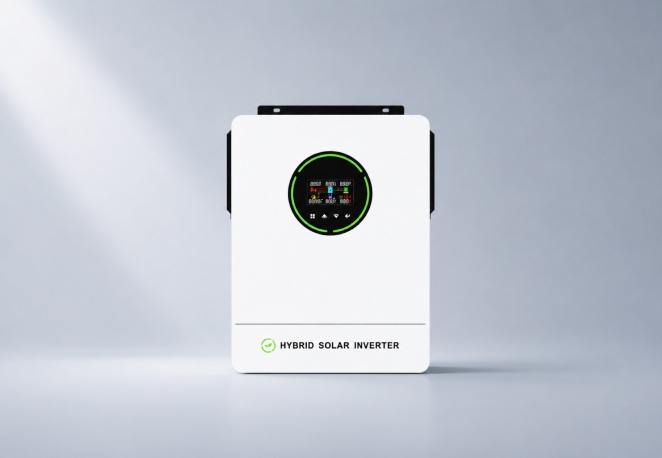
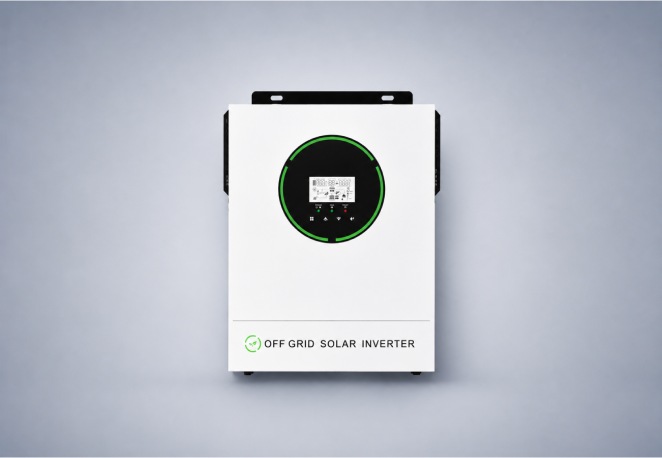
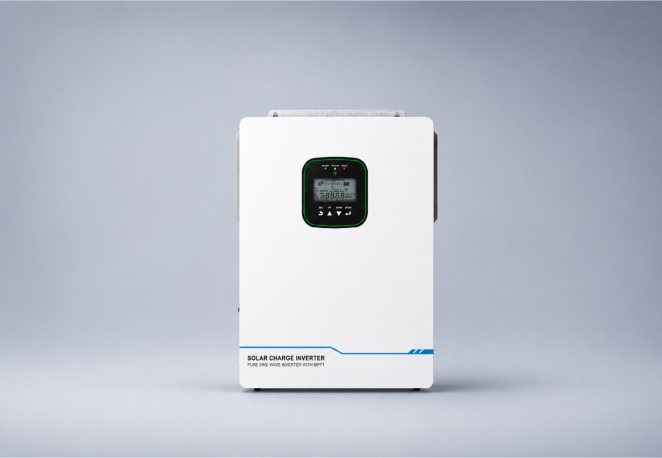
Off-grid inverters operate independently from the utility grid, ideal for remote locations or energy security. They require battery storage and can be more expensive upfront. Grid-tied inverters are connected to the utility grid, allowing you to export excess energy and receive credits. They are generally cheaper and easier to install but depend on the grid. The choice depends on your energy needs and circumstances.
What is a Hybrid Inverter?
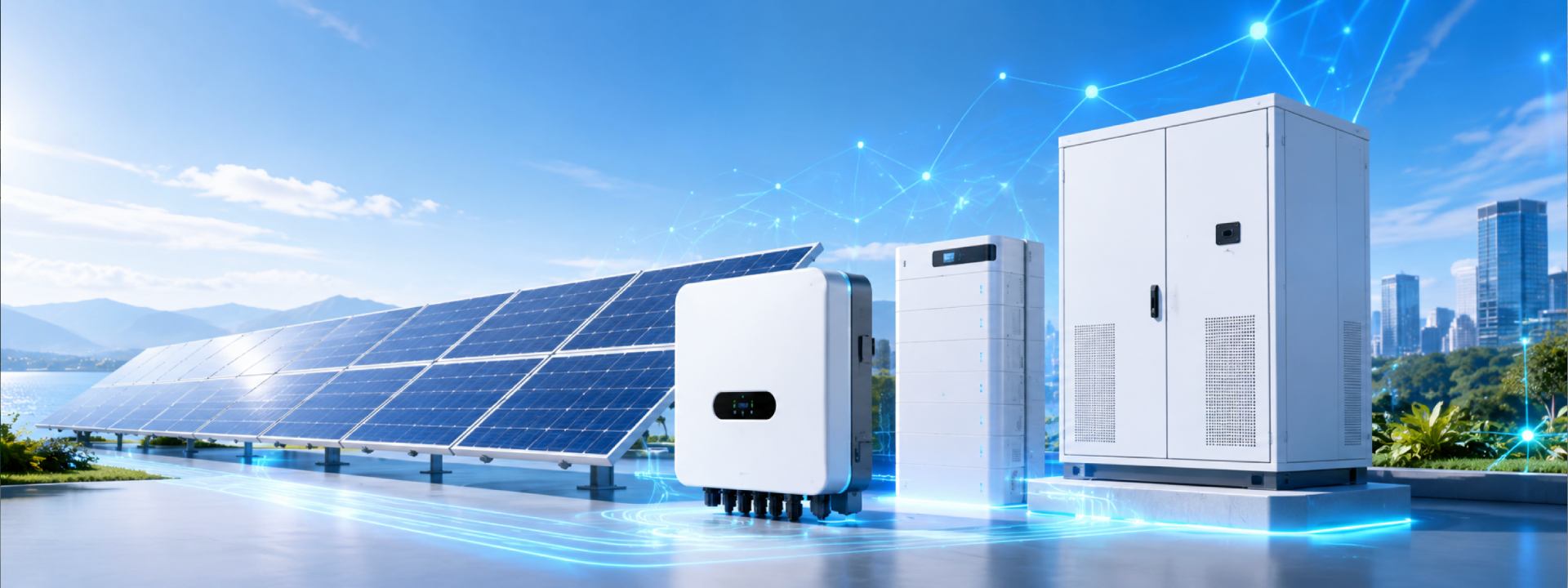
A hybrid inverter combines the functions of both a grid-tied inverter and an off-grid inverter. It can manage power from solar panels, batteries, and the utility grid simultaneously. During the day, it converts solar energy for household use and charges the battery. At night or during outages, it draws power from the battery. This makes it a versatile solution for homes that want energy independence with grid backup.
What size inverter do I need for my home?
The size of inverter you need depends on your total power consumption and the appliances you want to run simultaneously. As a general rule, calculate the total wattage of all appliances that might run at the same time, then add a 20-25% safety margin. For a typical household, a 5-10kW inverter is usually sufficient. Consult with a qualified installer for an accurate assessment based on your specific needs.
How long do solar inverters typically last?
Most quality solar inverters have a lifespan of 10-15 years, though some premium models can last up to 20 years with proper maintenance. Factors affecting longevity include installation quality, operating temperature, and maintenance frequency. Shinecore inverters come with standard warranty coverage and are designed for long-term reliable operation in various environmental conditions.
What is the difference between single-phase and three-phase inverters?
Single-phase inverters are typically used in residential applications with standard 220-240V power supply. They have one live wire and one neutral wire. Three-phase inverters are used in larger residential or commercial settings with 380-415V power supply. They have three live wires and can handle higher power loads more efficiently. If your property has three-phase power supply, a three-phase inverter is recommended for optimal performance.
How does an Energy Storage System (ESS) work?
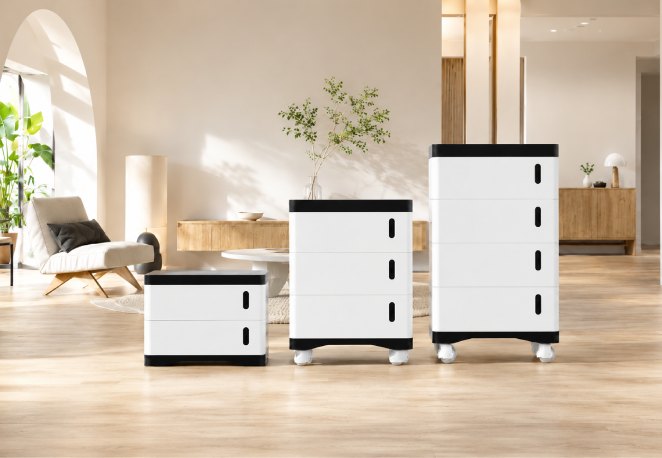
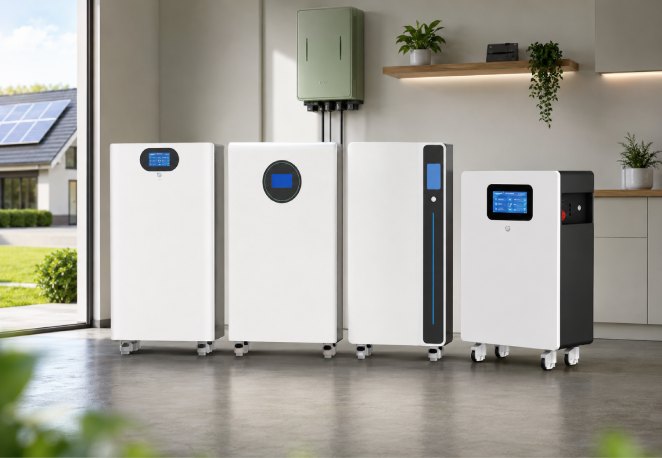
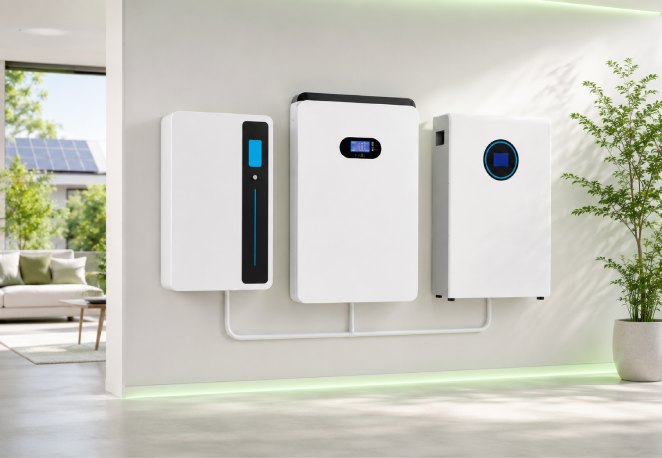
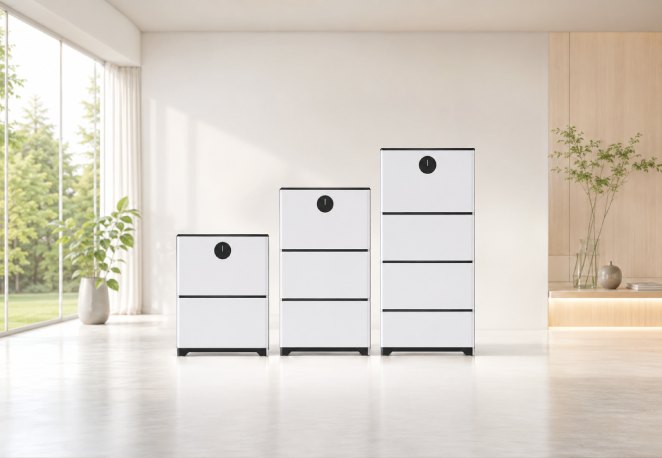
An Energy Storage System stores excess electricity generated by solar panels in batteries for later use. During the day, when solar production exceeds consumption, the surplus energy charges the battery. At night or during peak demand, the stored energy is discharged to power your home. This maximizes self-consumption of solar energy, reduces electricity bills, and provides backup power during outages.
What types of batteries are compatible with Shinecore inverters?
Shinecore hybrid inverters are compatible with a wide range of lithium-ion battery brands including Pylontech, BYD, Dyness, and many others that support standard communication protocols (CAN/RS485). The specific compatibility depends on the inverter model. Always check the compatible battery list in the product manual or contact our technical support team for the latest compatibility information.
How to monitor my solar system remotely?
Shinecore inverters support remote monitoring through our dedicated monitoring platform. Simply connect your inverter to the internet via Wi-Fi or LAN, create an account on the monitoring app or web portal, and register your device. You can then view real-time and historical data including power generation, consumption, battery status, and grid feed-in from anywhere in the world.
What should I do if my inverter shows an error code?
First, check the error code in the user manual to understand the issue. Common solutions include restarting the inverter, checking cable connections, or ensuring proper ventilation. If the error persists, note down the error code and contact our technical support team at shinecore@shinecorepv.com or call +86 18038172756. Do not attempt to open or repair the inverter yourself, as this may void the warranty.
What warranty coverage do Shinecore products have?
Shinecore offers a standard warranty of 5 years for residential inverters and energy storage systems from the date of purchase. Extended warranty options up to 10 years are available upon registration. The warranty covers manufacturing defects and component failures under normal use. For full warranty terms and conditions, please refer to the warranty card included with your product or contact our service team.