

NEWS >>
NEWS

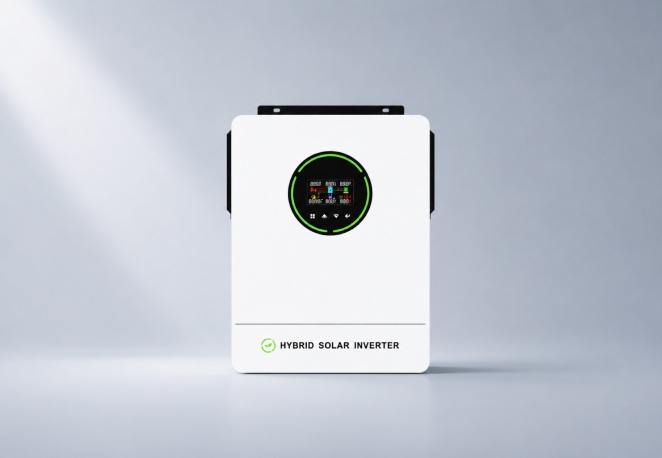
What Is a Hybrid Inverter?
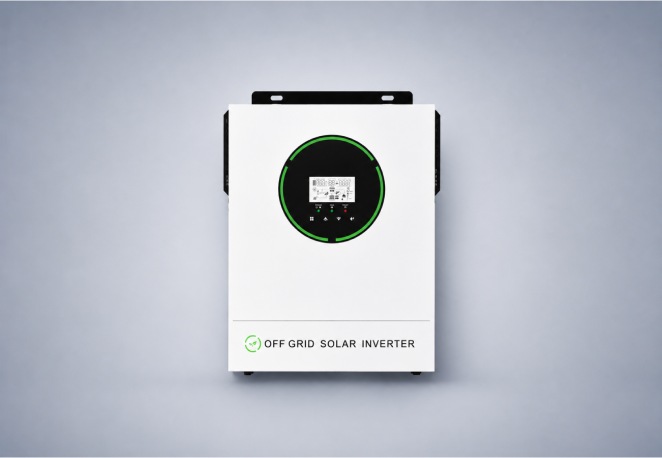
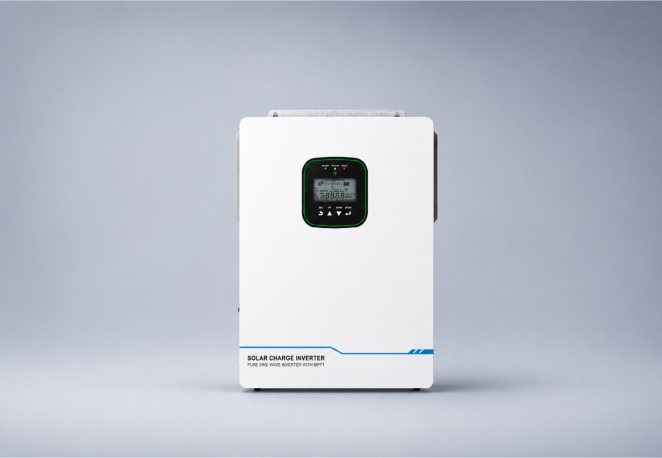
As battery storage technology becomes more affordable and electricity prices continue to rise, the traditional solar inverter is no longer enough for many homes and businesses. In the past, most solar systems were designed mainly for electricity generation during the day. Solar panels produced power, the inverter converted it for home use, and any extra electricity was often sent back to the grid.
However, this simple solar setup has clear limitations. One major problem is that a standard grid-tied solar inverter usually cannot work during a power outage. This may sound surprising, but it is mainly for safety reasons. When the utility grid goes down, a traditional solar inverter must shut off automatically to prevent electricity from flowing back into the grid and endangering maintenance workers.
This is where the hybrid inverter comes in.
A hybrid inverter is more than just a device that converts direct current DC from solar panels into alternating current AC for household appliances. It is the intelligent energy management center of a modern solar power system. By connecting solar panels, solar batteries, household loads, and the utility grid, a hybrid inverter can decide where energy should come from and where it should go.
In simple terms, a hybrid inverter helps users maximize the value of solar power by enabling self-consumption, battery backup, peak-hour savings, and grid interaction in one integrated system. It is especially useful for users who want to upgrade an existing solar system with a battery storage system in the future.
How Does a Hybrid Inverter Work?
At its core, a hybrid inverter combines multiple functions into one device. Like a standard solar inverter, it converts direct current DC generated by solar panels into alternating current AC that can be used by household appliances, commercial equipment, and other electrical loads.
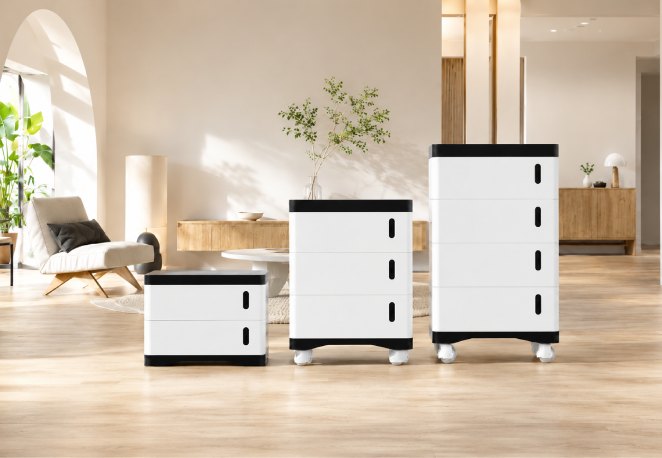
During the day, solar panels generate DC power from sunlight. The hybrid inverter converts this DC power into usable AC power for the home or business. If solar electricity generation is higher than the current demand, the inverter can direct the surplus energy into solar batteries for later use.
When solar generation is low, such as at night or during cloudy weather, the hybrid inverter can release energy from the battery storage system. It converts the stored DC power from the batteries back into AC power, allowing the building to continue using stored solar energy instead of buying electricity from the grid.
This makes the hybrid inverter a flexible energy hub. It can manage solar generation, battery charging and discharging, grid import, grid export, and backup power supply.
Main Working Modes of a Hybrid Inverter
1. Self-Consumption Mode
In self-consumption mode, solar power is used first to supply household or business loads. During the day, when solar electricity generation is strong, appliances can run directly on solar energy. Any surplus electricity can be stored in solar batteries instead of being wasted or exported to the grid at a low feed-in tariff.
At night or during cloudy periods, the battery storage system can discharge to power the load, reducing dependence on grid electricity.
2. Backup Mode or UPS Mode
In backup mode, the hybrid inverter provides emergency power when the grid fails. If a blackout occurs, the inverter can switch to battery power within a very short time, often at UPS-level transfer speeds.
This is especially valuable for homes, offices, factories, farms, and critical loads such as lighting, refrigerators, security systems, communication equipment, and medical devices.
For users with an existing solar system, adding a hybrid inverter and solar batteries can turn a basic grid-tied solar setup into a more resilient energy system with backup power capability.
3. Peak-Shaving or Time-of-Use Mode
In regions where electricity prices vary by time of day, a hybrid inverter can help reduce electricity bills through smart charging and discharging.
For example, the system can charge the battery when electricity is cheap during off-peak hours, then discharge the battery during expensive peak hours. This strategy is commonly known as peak shaving or time-of-use optimization.
For commercial and industrial users, this can significantly reduce demand charges and improve the return on investment of a solar-plus-storage system.
4. Grid-Feed Mode
When the battery is fully charged and the building’s electricity demand is already covered, the hybrid inverter can export excess solar energy to the grid, depending on local regulations and utility policies.
This allows users to benefit from feed-in tariffs, net metering, or other grid compensation programs where available.
Key Benefits of Going Hybrid
1. Seamless Backup Power
One of the most important benefits of a hybrid inverter is its ability to provide backup power during grid outages. For users living in areas with unstable electricity supply, extreme weather, or frequent blackouts, this function can greatly improve energy security.
With a properly sized battery storage system, essential loads can continue running even when the utility grid is unavailable.
2. Higher Return on Investment
A hybrid inverter helps improve the return on investment of a solar system by increasing the self-consumption rate of solar energy. Instead of sending excess solar power to the grid at a low price, users can store it in solar batteries and use it later when electricity rates are higher.
This reduces electricity purchases from the grid and can shorten the payback period of the entire solar energy system.
3. Greater Energy Independence
With solar panels, solar batteries, and a hybrid inverter, users can rely less on the utility grid. While complete energy independence may not be necessary for every user, having more control over energy production and consumption is becoming increasingly valuable.
Many hybrid inverters also come with smart monitoring platforms or mobile apps. These allow users to view real-time data such as solar electricity generation, battery status, household consumption, grid import, and grid export.
This level of visibility makes energy use more transparent and easier to manage.
4. Lower Total System Cost
Because a hybrid inverter integrates several functions into one device, it can reduce the need for separate equipment such as a solar inverter, battery charger, and charge controller.
This can lower equipment costs, simplify installation, reduce wiring complexity, and make the whole solar setup easier to maintain.
For homeowners or businesses planning to add solar batteries in the future, a hybrid inverter can also reduce upgrade costs compared with modifying a traditional system later.
How to Choose the Right Hybrid Inverter
Choosing the right hybrid inverter depends on the application, power demand, battery system, installation environment, and future expansion needs. Here are the key factors to consider.
1. Power Rating
The inverter’s power rating should match the load demand and solar system size. For residential use, single-phase hybrid inverters are common. For larger homes, commercial buildings, or industrial facilities, three-phase hybrid inverters may be required.
Buyers should also check both continuous output power and peak output power. Continuous power determines how much load the inverter can support over time, while peak power determines whether it can handle short startup surges from motors, pumps, compressors, or air conditioners.
2. Battery Compatibility
Battery compatibility is one of the most important selection criteria. Some hybrid inverters support low-voltage batteries, while others are designed for high-voltage battery systems.
It is also important to confirm whether the inverter supports lithium batteries, lead-acid batteries, or both. For lithium solar batteries, communication compatibility between the inverter and the battery management system is especially important for safety and performance.
For users upgrading an existing solar system, checking battery compatibility in advance can avoid unnecessary replacement costs.
3. Switching Time
For backup power applications, switching time matters. A high-quality hybrid inverter should be able to transfer from grid power to battery power quickly enough to protect critical loads.
Many backup systems aim for UPS-level switching, usually below 10 milliseconds or around 20 milliseconds, depending on the product design and application requirements.
4. IP Rating and Cooling Design
The installation environment also matters. For outdoor installation, a higher protection rating such as IP65 is often preferred because it provides better resistance against dust and water.
Thermal management is another important factor. Good cooling design helps improve inverter efficiency, extend service life, and ensure stable performance under high load or high ambient temperature conditions.
5. Smart Energy Management Features
A modern hybrid inverter should support intelligent communication and monitoring. Features such as Wi-Fi, Ethernet, RS485, CAN communication, mobile app monitoring, and cloud platforms can make operation much easier.
For advanced energy applications, users may also consider whether the inverter is compatible with an EMS, or Energy Management System. Some systems are also VPP-ready, meaning they can participate in Virtual Power Plant programs where available.
Conclusion: The Hybrid Inverter as the Energy Dispatch Center of the Future
A hybrid inverter is not just a power conversion device. It is the energy dispatch center of a modern smart home, commercial building, or low-carbon industrial facility.
By intelligently coordinating solar panels, solar batteries, loads, and the utility grid, a hybrid inverter helps users achieve higher solar self-consumption, stronger backup protection, lower electricity bills, and greater energy independence.
Compared with a traditional solar inverter, a hybrid inverter offers much more flexibility. It not only converts direct current DC into alternating current AC, but also manages battery charging, stored energy discharge, grid interaction, and backup power.
As energy systems continue to evolve, hybrid inverters will play an even more important role. Future trends may include deeper integration with electric vehicles, vehicle-to-grid technology, AI-driven electricity price forecasting, and smarter automatic charging and discharging strategies.
For anyone planning a new solar setup or upgrading an existing solar system, choosing a hybrid inverter is not only about meeting today’s power needs. It is also about preparing for a cleaner, smarter, and more flexible energy future.